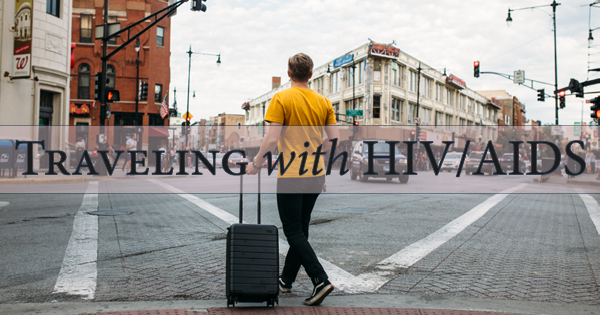
You can travel safely while living with HIV.
With a little planning, you can stay on track with your care and enjoy your trip.
Before you travel
Plan ahead to make your trip easier.
- Bring enough medication for your entire trip
- Pack extra doses in case of delays
- Keep medication in your carry-on bag
- Bring a copy of your prescriptions if needed
Know your destination
Taking a few simple steps before your trip can pay off. Some countries have rules about medications.
Before you travel:
- Check if there are any restrictions. You can learn more at www.hivtravel.org
- Learn where you could get care if needed.
- Get vaccinated. Make sure your routine vaccines are up to date. Depending on where you are going, you may also need to get vaccinated against Hepatitis A, typhoid, yellow fever, or other infectious diseases.
- Check your insurance. Call your health insurance provider to see if you’re covered outside your home area and what you need to do in case of an emergency. If you’re traveling outside the United States, you might need to buy extra health insurance, especially to cover the cost of evacuation if there is an emergency.
Stay on track with your medication
It’s hard enough to remember to take your medication at home. It’s even harder when you are traveling and your daily schedule is anything but routine. Setting a timer on your phone or another reminder help you stick with your medication schedule.
It’s one thing to have your toiletries or a phone charger disappear with lost luggage, since you can easily replace them at your destination. But you can’t do without your HIV medications, even for a day.
If you are changing time zones:
Ask your provider how to adjust your schedule and set reminders on your phone
- Traveling west to east: Take the next dose of your medication one hour earlier than usual. Repeat the earlier dosing for the number of time zones crossed. Then go back to your normal schedule.
- Traveling east to west: Take the next dose of your medication an hour later than usual. Repeat the later dosing for the number of time zones crossed. Then go back to your normal schedule.
- Traveling north to south: No adjustment needed.
 Food and Water
Part of the joy of travel comes from eating new foods. But if those foods make you sick, a dreamed-about-vacation can turn into a nightmare.
If your travel plan will take you to a developing country, you may encounter food and water that isn’t safe for a compromised immune system. You can get Hepatitis A, E.coli, and Salmonella infections, as well as toxoplasmosis, cryptosporidiosis, and other conditions, from food and water. To avoid getting sick from bacteria, parasites, or viruses, steer clear of:
- tap water, ice made from tap water
- raw fruits and vegetables
- meats eaten raw or rare
- shellfish
- food from street vendors
Instead, drink bottled or filtered water; eat only fruit and vegetables that need to be peeled before eating, or eat only cooked fruits and vegetable; eat only well-cooked meat; and buy food in grocery stores or vetted restaurants.
Play it safe
Planning ahead might fell like a hassle. But it’s a great investment if it helps you stick with your medications and avoid getting sick. Two other things you can do to have a safe and healthy trip:
- Wash your hands often, or use alcohol-based hand wipes.
- Follow the same safe-sex practices you do at home.
Bon voyage!