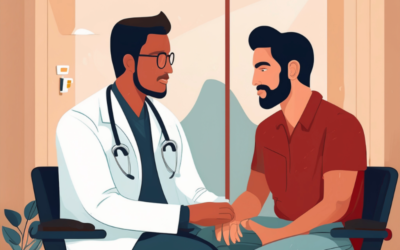
With treatment, people living with HIV can live long, healthy lives.
Learning about HIV can help you protect your health and make informed decisions.
What is HIV?
HIV stands for Human Immunodeficiency Virus. It’s a virus that can make it harder for your body to fight off infections and other illnesses.
If someone has HIV and doesn’t get treatment, it can lead to a serious health problem called AIDS (Acquired Immunodeficiency Syndrome). But the good news is — HIV can be treated, and people with HIV can live long, healthy lives.
How Do You Get HIV?
HIV spreads through certain body fluids like blood, semen, vaginal fluids, and breast milk. It can be passed:
- During sex without protection
- By sharing needles or syringes
- From mother to baby during pregnancy, birth, or breastfeeding
- Through blood transfusions (although this is very rare in the U.S.)
You cannot get HIV from hugging, shaking hands, using the same toilet, or sharing food.
What is prevention?
HIV can be prevented with:
- PrEP (pre-exposure prophylaxis)
- Condoms
- Regular testing
People living with HIV who are undetectable cannot pass the virus through sex (U=U).
What Happens if You Have HIV?
Once HIV is in your body, it starts to attack your immune system. This is the part of your body that helps fight off sickness. If HIV isn’t treated, it can cause your immune system to get weaker over time. That’s when HIV can turn into AIDS.
But there’s hope. With the right medicine, called antiretroviral therapy (ART), people with HIV can stay healthy and live full lives. Treatment also helps protect others — if you take your medicine every day and your virus level is so low it can’t be found in a test (called undetectable), you can’t pass it to someone else through sex.
What are the symptoms?
Some people may have flu-like symptoms after exposure.
Many people do not have symptoms for years.
The only way to know your status is to get tested.
Why Should You Care?
- Anyone can get HIV, but you can take steps to protect yourself.
- Knowing your status by getting tested is the first step.
- Treatment works and helps people with HIV live long, healthy lives.
How is HIV treated?
HIV is treated with medication called ART.
Treatment:
- Lowers the amount of virus in the body
- Protects your immune system
- Helps people live long, healthy lives
Take the Next Step
The only way to know your HIV status is to get tested.
At The Project, testing is free and confidential.
- Schedule HIV/STI testing
- Talk with a provider about prevention options like PrEP
- Get connected to care if needed
Learn how to get tested: phctheproject.org/free-testing/